Make Your Retainer Your Own
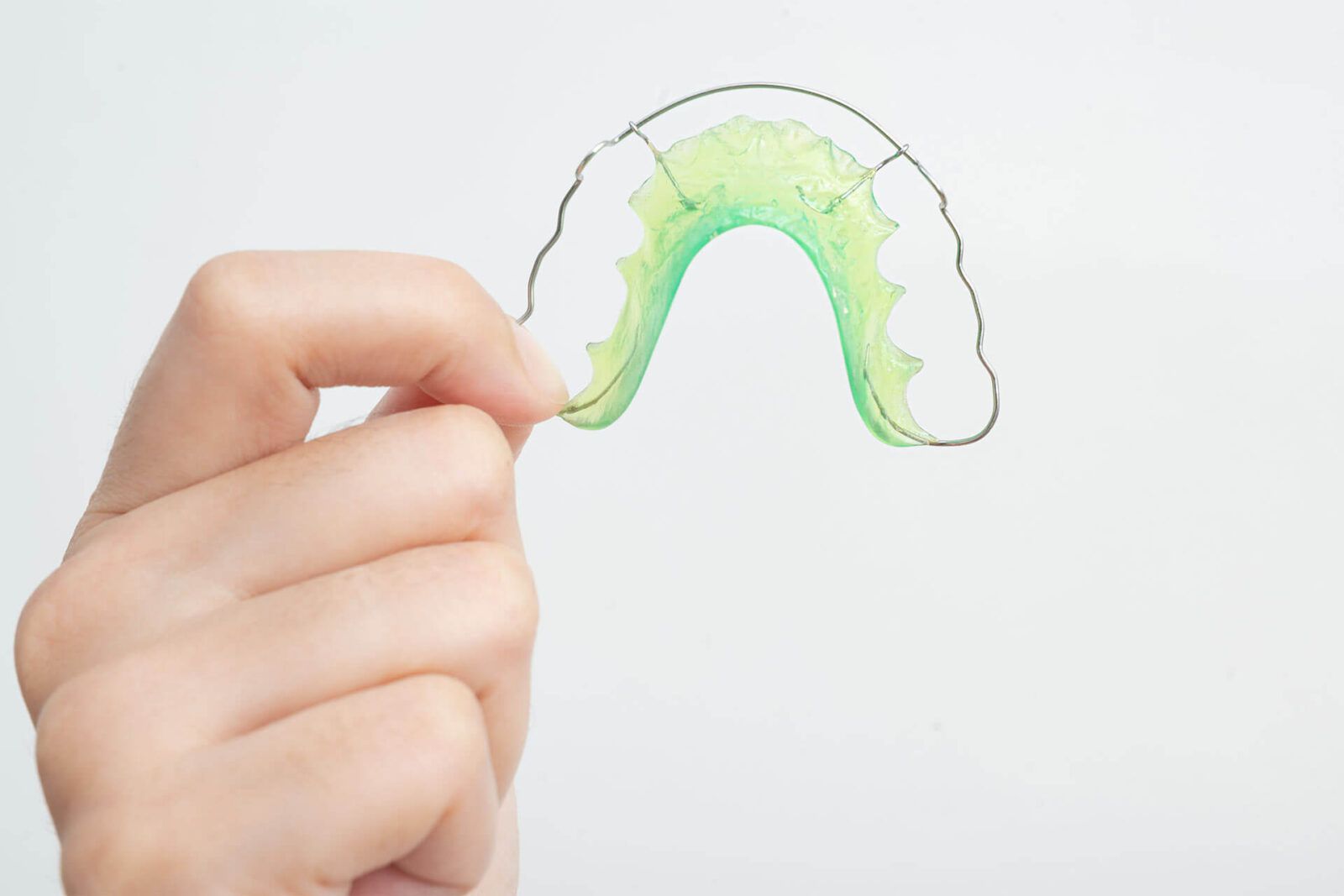
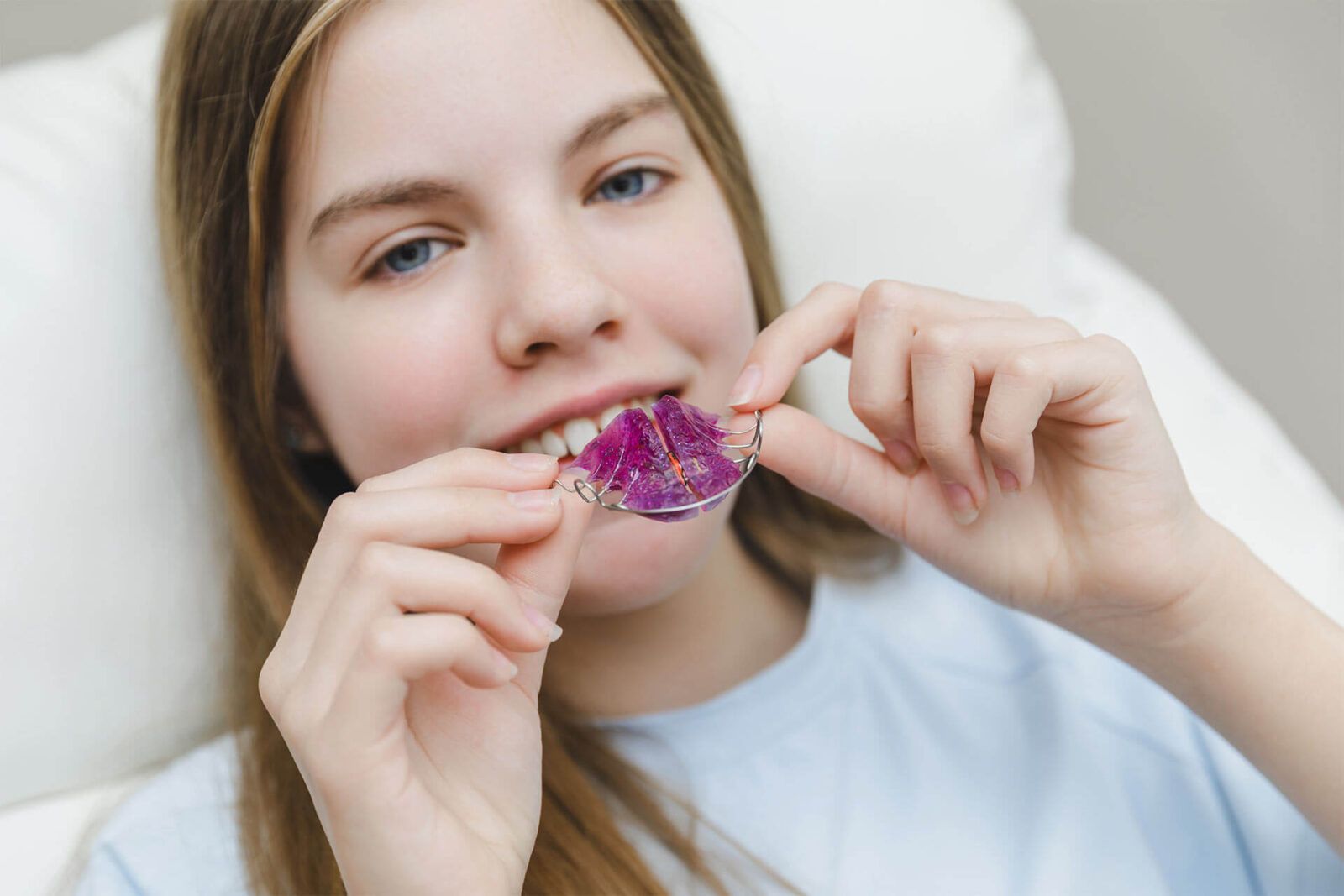
Retainers are an important part of maintaining your smile, but they can also reflect your personality. Many options allow for subtle customization and color choices. Adding a personal touch can make wearing your retainer more enjoyable. At the same time, proper care ensures it continues to function effectively.
How to Care for Your Retainer

Proper retainer care is essential to maintaining both your appliance and your results. Simple daily habits can extend the life of your retainer and keep it clean. Following recommended guidelines helps prevent damage and ensures your retainer continues to fit properly. Consistency is key to long-term success.
Using a Palatal Expander Correctly
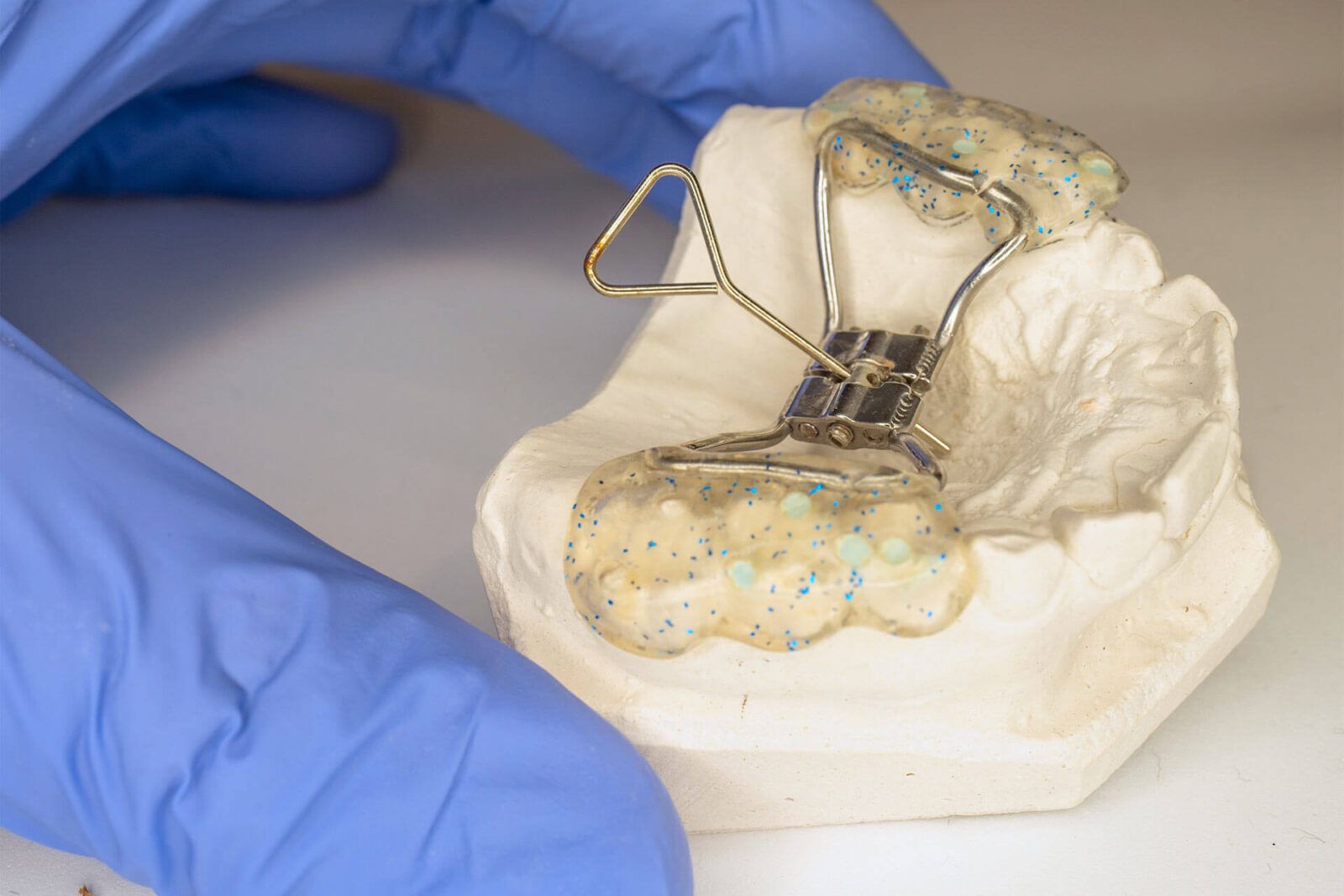
Palatal expanders are used to gradually widen the upper jaw, creating space for proper alignment. This treatment is most commonly used in growing patients. Following instructions carefully ensures the appliance works effectively and comfortably. Consistent use leads to better, more predictable outcomes.
Understanding Orthodontic Appliances
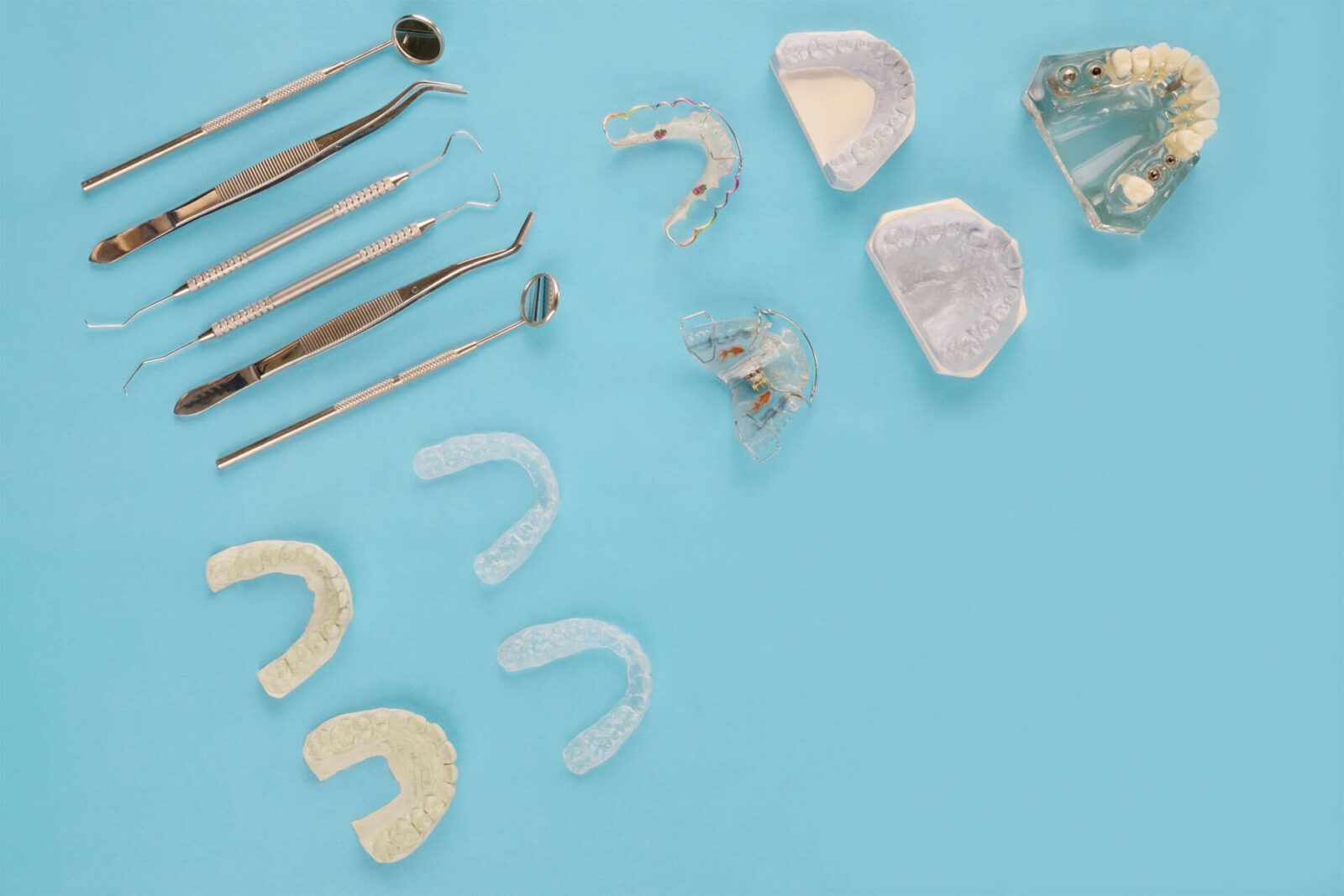
Orthodontic appliances come in many forms, each designed to address specific treatment goals. These tools work together to guide teeth and jaw alignment. Learning about different appliances can help you feel more informed and confident during treatment. Each plays a unique role in achieving your final results.
Choosing Your Braces Colors
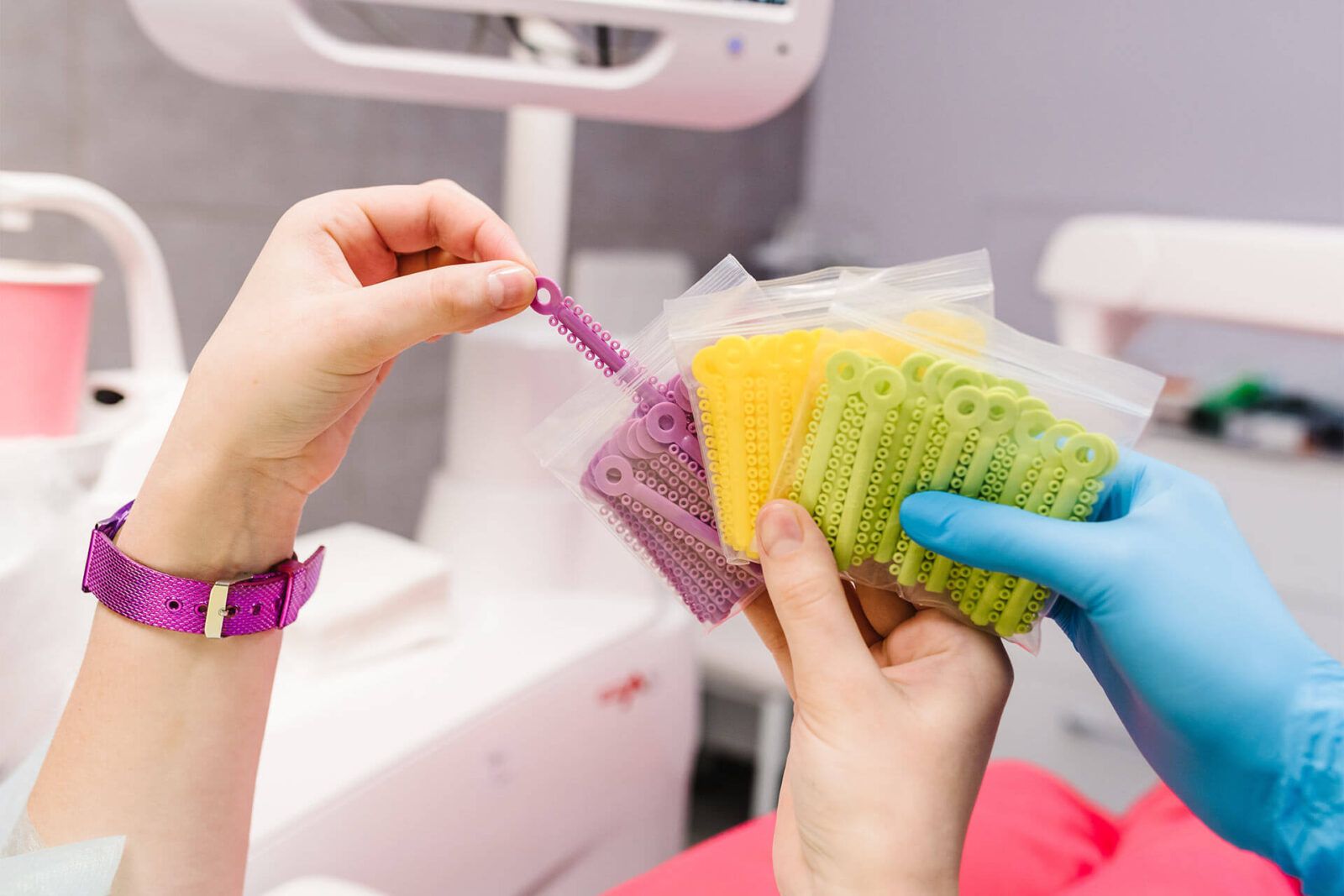
Braces don’t have to be boring—color options allow you to personalize your treatment experience. Many patients enjoy changing colors at each visit. This small customization can make treatment more fun and engaging, especially for younger patients. It’s an easy way to express your style.
Braces Diagram: How They Work
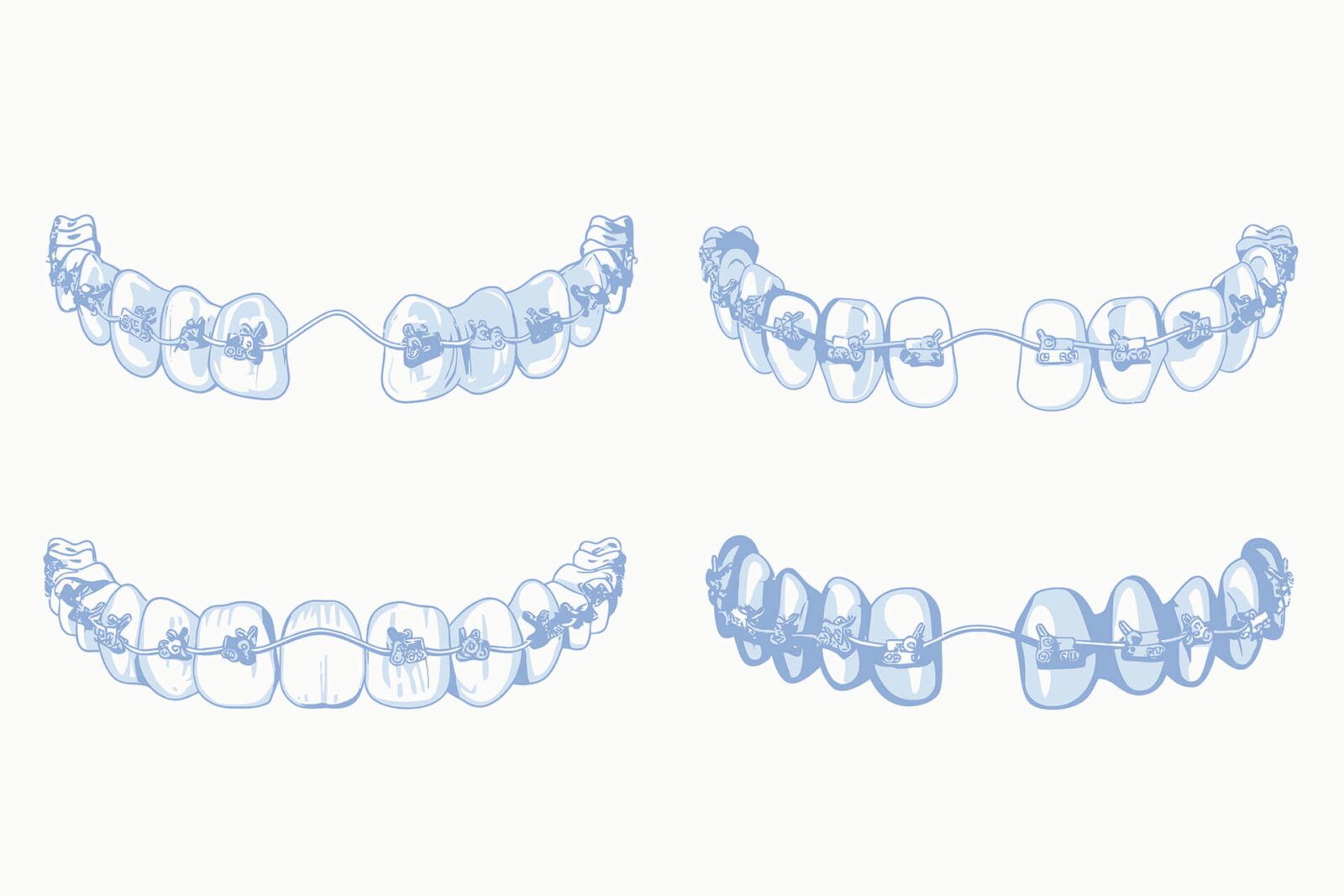
Braces may look simple, but each component plays an important role in moving your teeth. From brackets to wires, every part is carefully designed. Understanding how braces work can make your treatment feel more approachable. Knowledge helps patients feel more confident throughout the process.
Types of Braces Explained
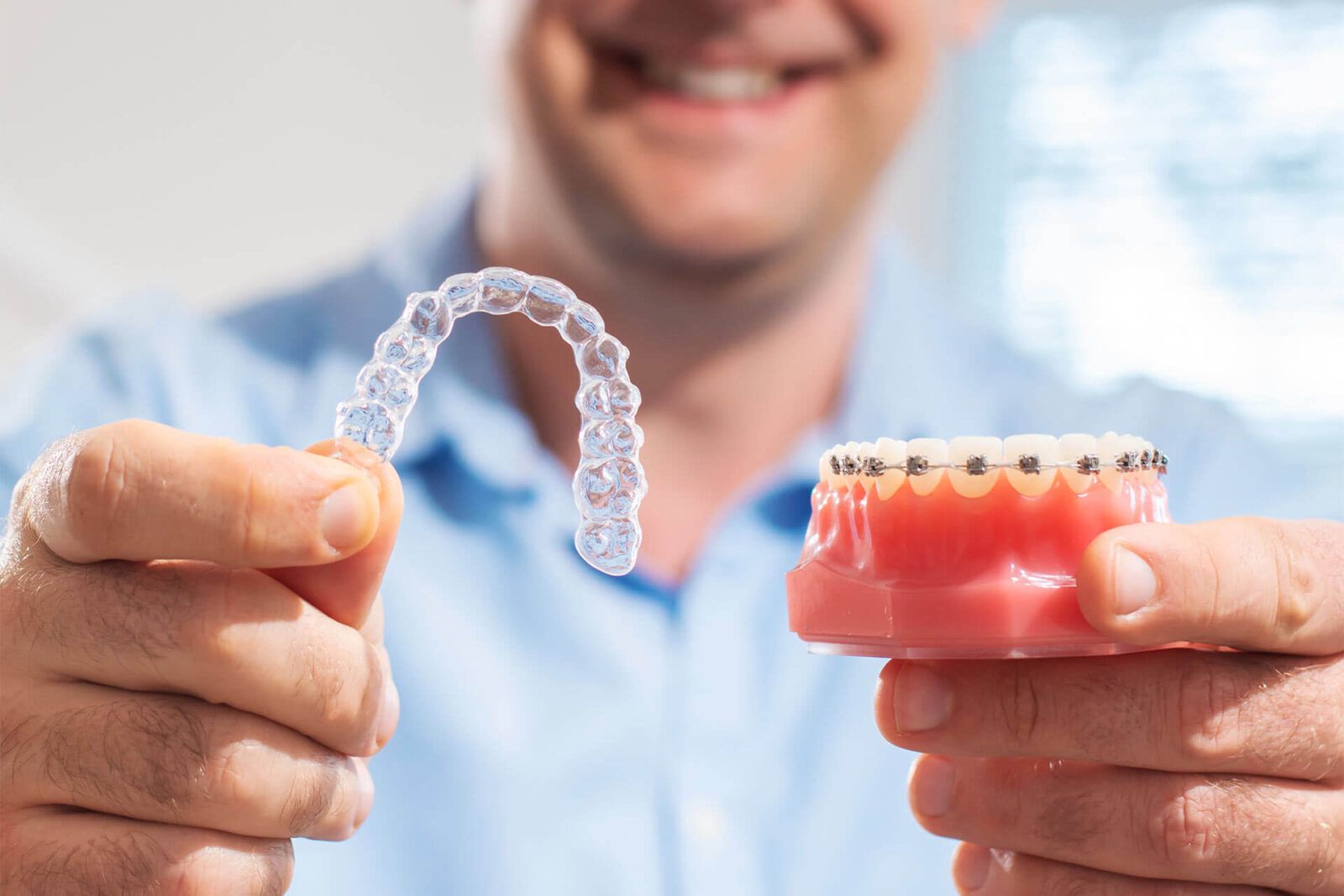
There are several types of braces available, each offering different advantages. Options range from traditional metal braces to more aesthetic alternatives. Choosing the right type depends on your treatment goals and preferences. A personalized approach ensures the best fit for your needs.
Adjusting to Life with Braces

Starting orthodontic treatment can take some getting used to, especially with braces. Minor adjustments in eating, speaking, and daily habits are common at first. With time, most patients adapt quickly and comfortably. Understanding what to expect can make the transition smoother.
Orthodontic Terms Made Simple
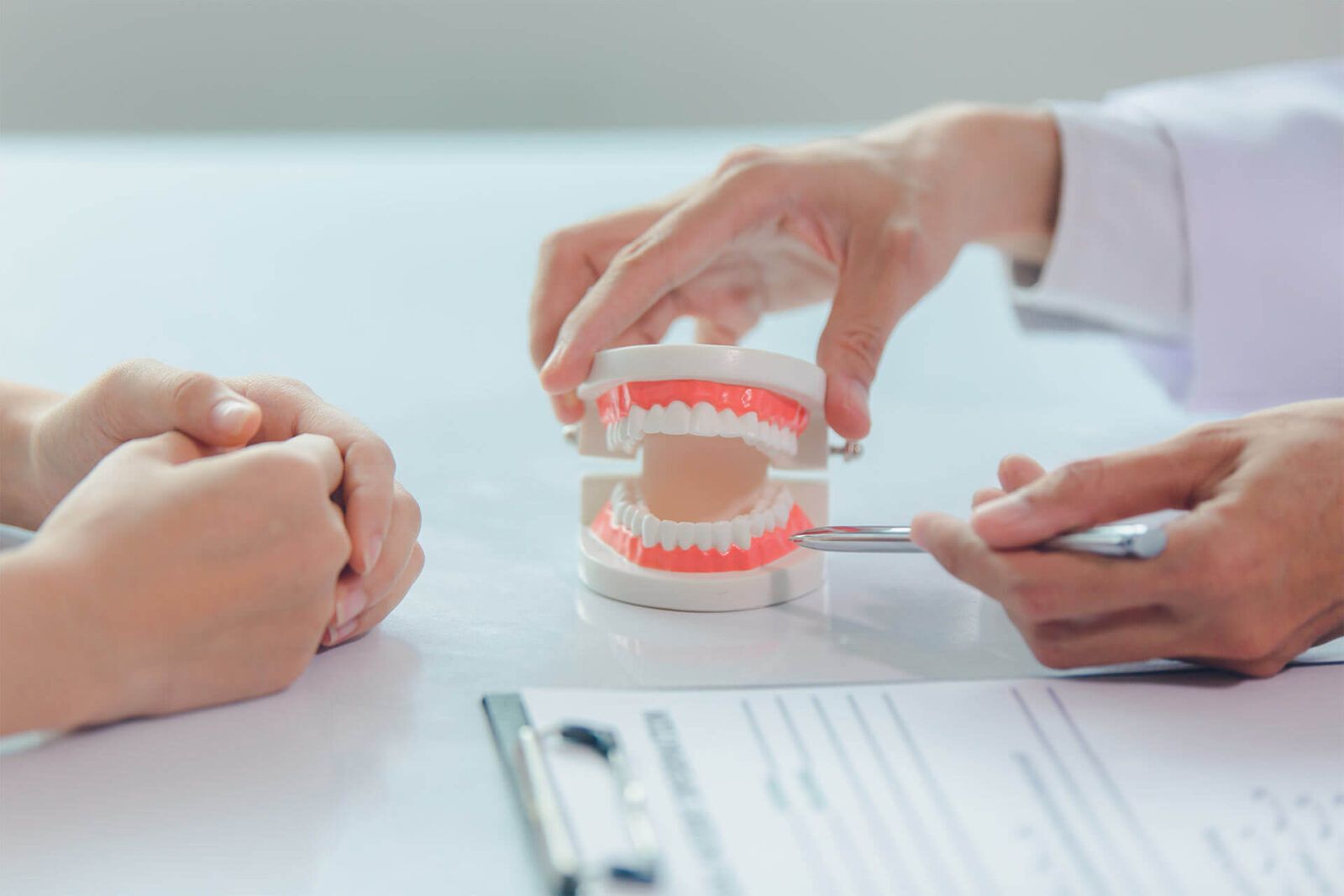
Orthodontic care can come with unfamiliar terminology, but understanding the basics can make your experience easier. Learning common terms helps you stay informed. Clear communication is an important part of quality care. Knowing what to expect allows for a more confident treatment journey.
Two-Phase Treatment: What to Know
Two-phase orthodontic treatment involves addressing concerns in stages, often starting at a younger age. This approach allows for early intervention and later refinement. By guiding development early, it can reduce the need for more complex treatment later. The goal is long-term stability and improved outcomes.